
“Private sector gain, labor force decline: Ohio by the numbers July, 2013”
The July 2013 Ohio By the Numbers report shows 8,600 private sector jobs gained, but last month’s small labor force increase was wiped out by a loss of over 11,000.

The July 2013 Ohio By the Numbers report shows 8,600 private sector jobs gained, but last month’s small labor force increase was wiped out by a loss of over 11,000.

The latest job numbers for Ohio should give policymakers considering Medicaid expansion reason to pause, at least if they want to keep creating jobs and getting Ohioans employed.

Tomorrow 19 school districts across the state will be asking taxpayers to raise taxes in the August Special Election. Before voters go to the polls, they need to ask tough questions of their school boards to assure themselves that their hard-earned dollars are being put to their best use. Serious questions must be asked about spending levels– specifically, whether current spending driven by bloated compensation will be brought into line.

As the General Assembly prepared to wrap up work on the state budget and head home for the summer break, the issue of Medicaid expansion still looms and there is a chorus of expansion advocates arguing something must be done now to allow implementation on January 1.

Medicaid expansion advocates frequently appeal to our compassion. But is expanding Medicaid really compassionate? A recent study on employment rates suggests that rather than leading to positive results for recipients, Medicaid expansion could trap hundreds of thousands of new recipients (mostly adults with no dependent children) in a system that creates disincentives to work and thereby increases unemployment.

The Buckeye Institute has long questioned the value brought to Ohio taxpayers by Ohio’s prevailing wage law. As far back as 1996, we were making the case that a law that forces a state or local government to pay above-market wages on major construction projects makes little sense.

For those pursuing Medicaid expansion, they should consider the many problems already being encountered as the Federal government attempts to roll out various pieces of Obamacare. The Heritage Foundation just ran a blog on the “Dirty Dozen” implementation failures and it should be mandatory reading.
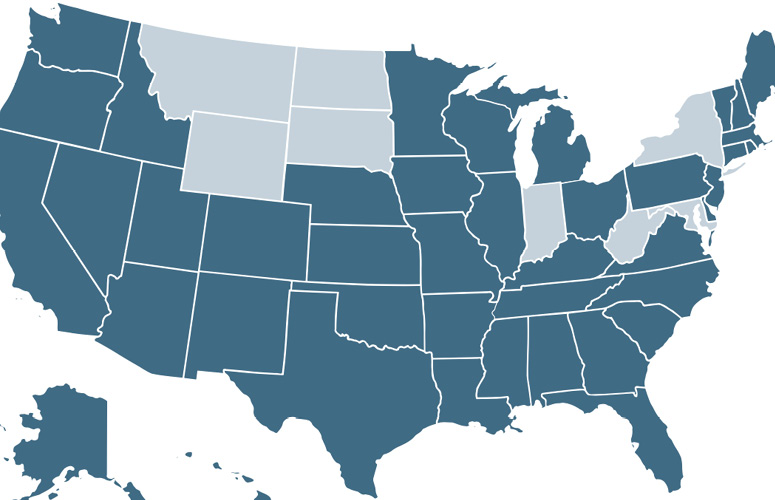
The Buckeye Institute has partnered with the Nevada Policy Research Institute (NPRI) and more than 60 other groups to raise awareness for National Employee Freedom Week, which runs from June 23 through June 29. National Employee Freedom Week is a national campaign designed to educate union members about their legal rights concerning membership as well as the use of member funds for purposes other than collective bargaining.

As the biennial budget process nears its conclusion, leaders in both the Ohio House of Representatives and Senate have put together a new tax reform package that differs from Governor Kasich’s initial proposal and differs substantially from either version the chambers separately passed. The question before the conference committee is whether these changes will move Ohio in a more competitive direction.

We have mentioned this report previously, but it is critical Ohioans understand that expanding Medicaid is unlikely to yield the positive health outcomes promoted by most advocates. A new study from the prestigious New England Journal of Medicine (NEJM) further validates concerns raised by the Buckeye Institute and others regarding the long-term health benefits that accrue to those on Medicaid.