The Buckeye Institute

Press Releases

Press Releases

The Buckeye Institute: Ohio Sees Unemployment Fall Despite Sluggish Job Growth

The Buckeye Institute commented on Ohio’s newly released jobs report, saying, “Ohio’s job market continued to see mostly strong growth in May with the unemployment rate falling to 3.9 percent…while workers continued to return to the job market, driving Ohio’s labor force participation rate to 62 percent… However, recent economic news has been grim, with inflation spiking to 40-year highs and the Federal Reserve raising interest rates to a nearly 30-year high.”

Legal, Press Releases

The Buckeye Institute Urges U.S. Supreme Court to Protect Private Property from Union Vandalism

The Buckeye Institute filed an amicus brief with the U.S. Supreme Court in Glacier Northwest v. International Brotherhood of Teamsters, calling on the court to protect employers’ property rights from union vandalism and sabotage. “By denying Glacier Northwest the right to sue for the willful and intentional damage of property, the Washington Supreme Court essentially held that the National Labor Relations Act allows unions to destroy private property and leaves employers with no real legal recourse.”

Policy Research & Reports, Press Releases

The Buckeye Institute: Use ARPA Tax Dollars to Help Ohio Cities Modernize Their Tax Systems

In a new policy memo, Help Cities Transition to New Tax System, The Buckeye Institute recommends that Ohio lawmakers use American Rescue Plan Act (ARPA) tax dollars to help localities modernize their tax systems to be less reliant on “dwindling commuter taxes.” This memo is the third in a series that counsels state policymakers to “resist the temptation to spend taxpayer dollars foolishly and instead spend wisely on areas that need genuine financial assistance.”;  

Legal, Press Releases

Ohio Supreme Court Takes Buckeye’s Municipal Income Tax Case

The Ohio Supreme Court announced that it will hear Schaad v. Alder, one of The Buckeye Institute’s five municipal income tax cases challenging Ohio’s emergency-based system. “The Ohio Supreme Court finally has the opportunity to correct this Orwellian system in which the state forced people to work from home under threat of criminal penalties, but then also absurdly deemed that same work to have been performed where it wasn’t—often in higher-taxed office locations.”

Press Releases

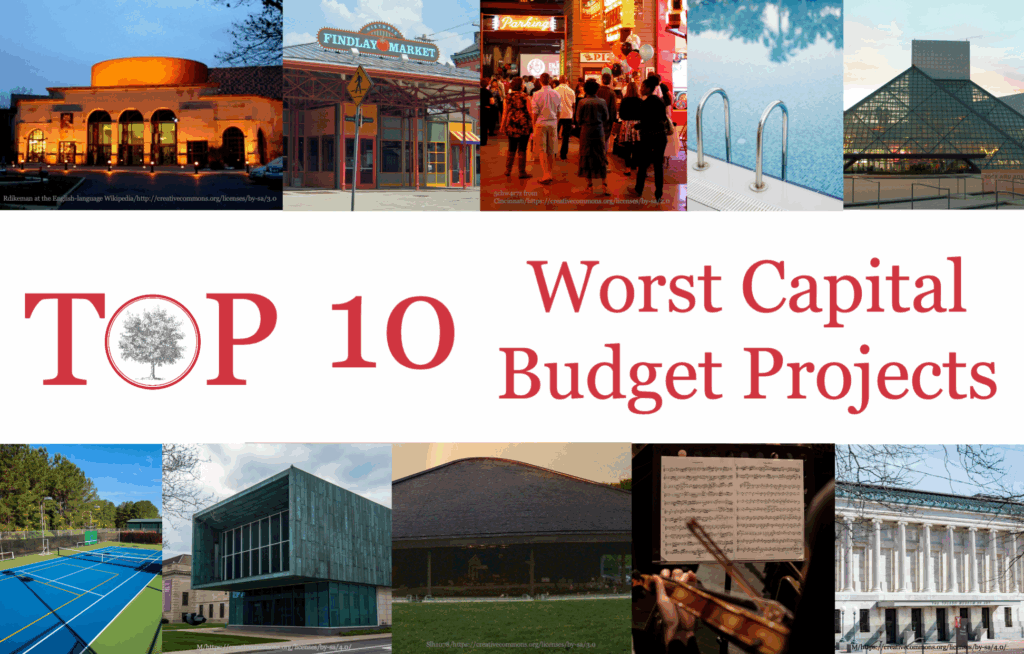
Nearly $12 Million Spent on The Buckeye Institute’s Top 10 List of Worst Capital Budget Projects

The Buckeye Institute unveiled its Top 10 Worst Capital Budget Projects of 2022, which total nearly $12 million. Buckeye’s review of the capital budget also found more than $150 million in pork-barrel or community projects that should be paid for with private donations or through local efforts. “At a time of historically high inflation, every dollar not spent on public safety, healthcare, or workforce development is a dollar wasted and adds to the amount of tax dollars every day Ohioans have to fork out of their wallet.”

Press Releases

Buckeye Institute-Championed Universal Occupational License Recognition One Step Closer to Becoming Law

Greg R. Lawson, a research fellow at The Buckeye Institute, commented on the House passage of Ohio House Bill 203 and the Senate passage of Ohio Senate Bill 131, which would make Ohio a more attractive state for workers to move to by adopting universal occupational license recognition. “By passing Ohio House Bill 203 and Ohio Senate Bill 131—universal occupational license recognition—both chambers of the General Assembly took an important step forward to help Ohio address critical worker shortages brought on by the pandemic.”

Press Releases, Testimony & Public Comments

Buckeye Institute-Championed ‘Fintech’ Regulatory Sandbox Policies Invite Innovation to Ohio

The Buckeye Institute testified before the Ohio House Financial Institutions Committee on the policies in Senate Bill 249, which would make Ohio a more inviting place for financial technology, or fintech, companies to move to or expand by eliminating and reducing complicated regulations that impede the development of innovative products. The policies in Senate Bill 249 would remove “outdated and complicated regulatory obstacles currently impeding fintech companies looking to innovate safely and cost-effectively.”

Press Releases, Testimony & Public Comments

The Buckeye Institute Urges Ohio Lawmakers to Provide Businesses with Flexibility to Build a Talented Workforce

The Buckeye Institute submitted written testimony to the Ohio House Commerce and Labor Committee on the policies in House Bill 235, which would add unnecessary government regulations and labor quotas to oil refinery job requirements, preventing employers from “training and equipping their employees with the skills needed to do the job.” Buckeye urged lawmakers to “seek market-driven solutions to make on-the-job training more affordable and useful.” 

Press Releases

“The Buckeye Institute: Ohio’s April Jobs Report Shows Continued Growth, National Signs Point to Slowdown”

The Buckeye Institute commented on Ohio’s newly released jobs report, saying, “In the first four months of 2022, the labor market has added more than 50,000 jobs, reducing the jobs deficit to almost 90,000 when compared to February 2020. If Ohio maintains this pace of job growth, it will erase the pandemic jobs deficit this year. However, national signs, including a lackluster April jobs report and growing inflation, raise serious concerns as to whether Ohio will be able to maintain this pace of growth.”

Press Releases, Testimony & Public Comments

The Buckeye Institute: Smart Bail Reform Will Strengthen Public Safety in Ohio

The Buckeye Institute testified before the Ohio House Criminal Justice Committee on the policies in House Bill 315, which would “help Ohio fix a broken cash bail system and take significant steps toward protecting the public from violent offenders.” Urging lawmakers to adopt “[r]esponsible bail reform,” The Buckeye Institute noted that House Bill 315 would “improve Ohio’s pretrial criminal justice system by retaining adequate protection for public safety, enhancing fairness across economic classes, and reducing unnecessary costs for taxpayers.”

Scroll to Top