The Buckeye Institute

Testimony & Public Comments

Press Releases, Testimony & Public Comments

The Buckeye Institute: HJR2 Does Not Provide Meaningful Guarantee of Public Safety

Robert Alt, president and chief executive officer of The Buckeye Institute, testified before the Ohio House Criminal Justice Committee on House Joint Resolution 2, which “does not provide a meaningful guarantee of public safety.” In his testimony, Alt reminded lawmakers that “[c]hanging the state constitution to expand cash bail in the name of public safety would be an unfortunate and tragic mistake that distracts from the serious business of keeping Ohioans safe.”

Press Releases, Testimony & Public Comments

The Buckeye Institute Urges Ohio Lawmakers to Modernize State’s Occupational Licensing Requirements

The Buckeye Institute submitted written testimony to the Ohio House State and Local Government Committee on the recommendations in House Bill 509, which would help make Ohio more economically competitive by eliminating and modernizing the state’s burdensome occupational licensing requirements. To assist lawmakers in their review, The Buckeye Institute identified 63 licenses that Ohio should eliminate or reform, many of which were adopted by the committee in its 2021 Occupational License Review Report. 

Press Releases, Testimony & Public Comments

Buckeye Institute-Championed Universal Occupational License Recognition Would Ease Worker Shortages

The Buckeye Institute testified before the Ohio Senate Workforce and Higher Education Committee on the policies in Senate Bill 131, which would ease worker shortages and encourage skilled workers to pursue their careers and professions in the Buckeye State—an integral component to modernizing Ohio’s outdated economic system. “Would-be Ohioans with similar licenses in good standing should not have to pay additional fees or take expensive, extraneous classes that do not make them any more qualified for or capable of doing their jobs.”

Press Releases, Testimony & Public Comments

“The Buckeye Institute: Cut Unnecessary Regulations, Keep Ohio’s Economy Growing”

The Buckeye Institute submitted written testimony to the Ohio House Government Oversight Committee on the policies in Senate Bill 9, which would “cut through unnecessary restrictions and red tape that strangle Ohio’s economy, entrepreneurs, and workforce.” Greg R. Lawson, research fellow at The Buckeye Institute, applauded the General Assembly for “continuing regulatory reform and cutting bureaucratic red tape,” and urged lawmakers to “eliminate many of the unnecessary regulations that strangle our businesses and keep our citizens from working.”

Press Releases, Testimony & Public Comments

The Buckeye Institute: Policies in House Bill 376 Offer a Smarter Way to Protect Consumer Data

The Buckeye Institute testified before the Ohio House Government Oversight Committee on the policies in House Bill 376, which would protect consumer data and is “among the best state data privacy laws already implemented or being considered.” Logan Kolas, an economic policy analyst with the Economic Research Center at The Buckeye Institute, noted that House Bill 376 “takes a consumer-oriented approach to data privacy” and would help businesses provide better services by harnessing the free market to determine what privacy services customers prefer.

Press Releases, Testimony & Public Comments

The Buckeye Institute: University Endowments Must Adhere to Donor Intent

The Buckeye Institute submitted written testimony to the Ohio House Higher Education and Career Readiness Committee on the policies in Senate Bill 135, specifically those policies that would “safeguard donors and their generous gifts to Ohio’s institutions of higher education.” Greg R. Lawson, a research fellow at The Buckeye Institute, noted that the policies in the bill would “ensure that colleges and universities spend education endowment funds according to the endowment’s terms and consistent with donor intent.” 

Press Releases, Testimony & Public Comments

Buckeye Institute-Championed Policies Would Enable ‘Fintech’ Companies to Develop New and Better Services for Customers

The Buckeye Institute testified before the Ohio Senate Financial Institutions and Technology Committee on the policies in Senate Bill 249, which would make Ohio a more attractive place for financial technology companies to move to or expand by cutting red tape and complicated regulations that impede companies from developing and offering innovative products to customers. This new “regulatory sandbox” approach to oversight would enable fintech companies to develop new and better services for customers.

Press Releases, Testimony & Public Comments

The Buckeye Institute: Making Telehealth Permanent Will Increase Access to Care

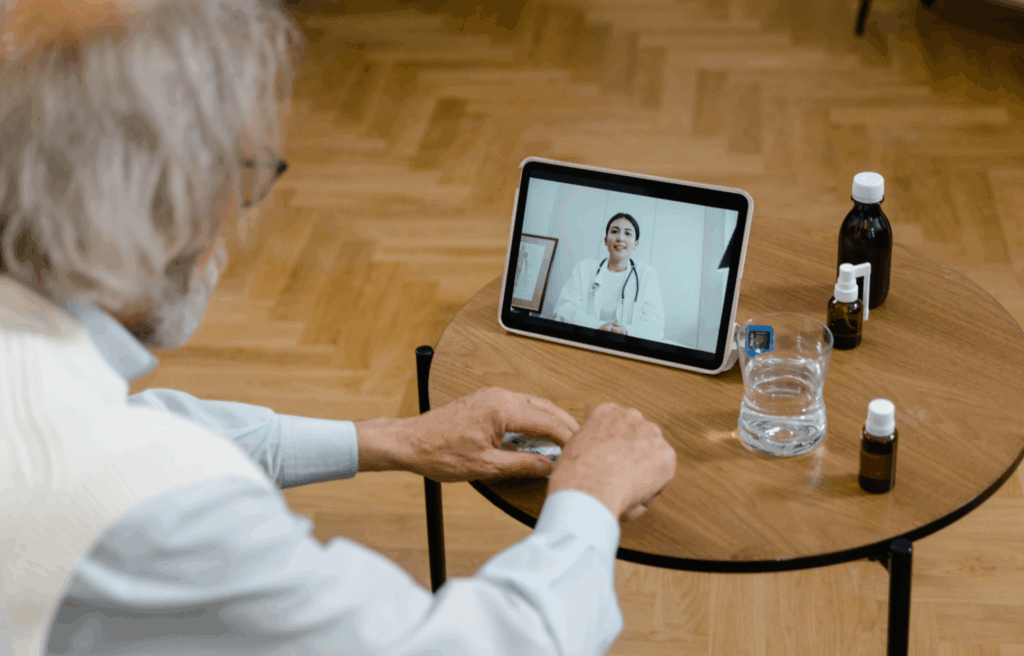
The Buckeye Institute testified before the Ohio Senate Health Committee on the policies in House Bill 122, which would permanently expand access to telehealth for all Ohioans. With Ohio’s current emergency COVID-19 rules on telehealth access set to expire on December 31, 2021, many Ohioans are at risk of losing access to this vital service unless lawmakers act and give all Ohioans “equal telehealth access to their healthcare providers.”

Press Releases, Testimony & Public Comments

Buckeye Institute-Championed Universal Occupational Licensing Recognition Will Open Ohio’s Doors to Skilled Workers

The Buckeye Institute testified before the Ohio Senate Workforce and Higher Education Committee on the policies in Senate Bill 131, which would adopt universal occupational license recognition for people moving to Ohio. In his testimony, Greg R. Lawson, a research fellow at The Buckeye Institute, outlined the solution to Ohio’s unnecessarily burdensome occupational license regime—universal occupational license recognition.

Press Releases, Testimony & Public Comments

The Buckeye Institute: Joining Nursing Compact Would Make it Easier for Nurses to Work in Ohio

The Buckeye Institute testified before the Ohio House Health Committee on the policies in Senate Bill 3, which would make it easier for nurses to work in Ohio by joining the Nursing Licensure Compact. In his testimony, Greg R. Lawson, a research fellow at The Buckeye Institute, noted that the best policy for Ohio is universal occupational license recognition, which would make “Ohio a national licensing reform leader,” and “avoids the complexity and complications associated with multi-state compacts, including higher and unnecessary barriers to employment in Ohio.”

Scroll to Top